


A young moviegoer, in his twenties, was excitedly anticipating to view the recent Bollywood production with his favourite performer.
Yet going to the cinema required him to spend considerably - a seat at a Delhi multiplex charged ₹500 around six dollars, almost a 33% of his each week allowance.
"I appreciated the movie, but the price was a disappointing factor," he stated. "Refreshments was a further 500 rupees, so I passed on it."
This sentiment is widespread. Growing ticket and concession prices suggest cinema-goers are reducing on their visits to movie halls and moving towards more affordable online options.
Statistics Reveal a Tale
In the past five years, statistics indicates that the mean price of a film admission in the nation has risen by nearly fifty percent.
The Average Ticket Price (average price) in two years ago was ₹91, while in 2024 it rose to ₹134, as per consumer study findings.
The report adds that footfall in the country's movie halls has declined by six percent in 2024 as relative to the previous year, perpetuating a tendency in modern times.

The Multiplex Perspective
A key reasons why visiting films has become costly is because traditional theatres that offered more affordable tickets have now been largely substituted by plush multiplex movie complexes that provide a variety of services.
But cinema proprietors maintain that admission costs are reasonable and that audiences still attend in significant quantities.
A top representative from a major multiplex chain stated that the perception that audiences have ceased going to theatres is "a general notion squeezed in without confirmation".
He states his network has recorded a visitor count of over 150 million in recent times, increasing from 140 million visitors in the previous year and the figures have been promising for recent months as well.
Benefit for Price
The representative acknowledges getting some comments about high ticket costs, but maintains that audiences continue to attend because they get "worth the cost" - if a film is entertaining.
"People leave after the duration feeling pleased, they've liked themselves in climate-controlled luxury, with premium sound and an captivating experience."
Several networks are implementing flexible pricing and mid-week discounts to attract patrons - for illustration, admissions at various theatres price only ninety-two rupees on Tuesdays.
Restriction Discussion
Certain Indian states have, however, also placed a limit on ticket costs, triggering a discussion on whether this should be a country-wide restriction.
Industry experts believe that while lower costs could bring in more moviegoers, owners must keep the liberty to keep their businesses successful.
But, they mention that admission prices must not be so high that the general public are priced out. "In the end, it's the audience who establish the celebrities," one expert states.
The Single-Screen Situation
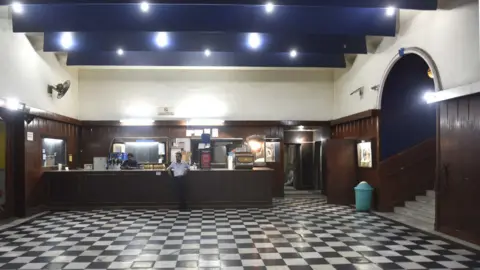
Simultaneously, specialists say that even though older theatres present lower-priced tickets, many metropolitan average-income moviegoers no longer select them because they cannot match the comfort and amenities of multiplexes.
"This represents a downward spiral," says an expert. "Because visitor numbers are reduced, cinema operators can't afford adequate maintenance. And as the cinemas fail to be properly cared for, moviegoers decline to watch movies there."
Across the capital, only a small number of traditional cinemas still operate. The remainder have either shut down or experienced deterioration, their dated facilities and obsolete services a evidence of a previous era.
Nostalgia vs Reality
Some patrons, however, recall traditional cinemas as less complicated, more community environments.
"Typically there were 800 to 1,000 audience members gathered together," remembers 61-year-old a regular visitor. "The crowd would react enthusiastically when the star was seen on display while sellers offered cheap snacks and beverages."
However this sentiment is not experienced by every patron.
One visitor, comments after visiting both older theatres and modern cinemas over the past two decades, he favors the modern option.


